

AI meal matching
Every lunch, matched to the person eating it.
atWork analyses each employee's dietary needs, taste preferences and health goals, ranks the day's meals by nutrition, variety, preferences and context, and learns from every rating. Health data is used only with the employee's consent.
- Learns from every rating
- Zero monotony
- Health data only with consent

How it works
Three stages, repeated every day
The matching starts from a profile, produces a ranked list of meals each day and gets sharper with every rating.
- Stage 1
Profile
During onboarding each employee sets their diet, allergies, health goals and food preferences. This profile is where the matching starts. Health-related details are used only with the employee's consent.
- Diet
- Allergies
- Goals
- Preferences
- Stage 2
Daily matches
Every day the AI ranks the day's meals for each person by nutrition, variety, preferences and context. The best fits come first, and the person still makes the final choice.
- Nutrition
- Variety
- Preferences
- Context
- Stage 3
Learning from ratings
After lunch, employees rate each meal from 1 to 10. The AI learns from every rating, so the next day's ranking reflects what each person actually enjoyed.
- Rating 1 to 10
- Taste learning
Ratings feed back into the profile, and the cycle runs again with the next day's menu.
Signals
What the matching looks at
Each signal shapes the ranking in its own way. Try a few of them on example dishes below, then read how every signal works. The examples in the table are illustrative, to show the kind of effect each one has.
From a profile to a ranked list
Switch preferences on and off and watch the example dishes re-rank. Diet and allergy are rules: a dish that does not meet one is left out. Goals only change the order.
Example profile
Ranked for this profile
Showing 6 of 12 example dishes, best match first.

Rank 1. High Protein
Steak and mash
Macros: Protein 46%. Carbs 35%. Fat 19%.
Why this dish: No preferences set, so the day's menu order.

Rank 2. Vegetarian
Paneer burjee with rice
Macros: Protein 36%. Carbs 52%. Fat 11%.
Why this dish: No preferences set, so the day's menu order.

Rank 3. Custom Macros
Crusted salmon bowl
Macros: Protein 39%. Carbs 42%. Fat 18%.
Why this dish: No preferences set, so the day's menu order.

Rank 4. Balanced
Tuscan chicken with rice
Macros: Protein 30%. Carbs 47%. Fat 23%.
Why this dish: No preferences set, so the day's menu order.
Rank 5. Low Carb
Classic Caesar salad
Macros: Protein 40%. Carbs 28%. Fat 33%.
Why this dish: No preferences set, so the day's menu order.
Rank 6. Chef's Picks
Truffle fettuccine
Macros: Protein 16%. Carbs 78%. Fat 6%.
Why this dish: No preferences set, so the day's menu order.
Sample data
The demo uses only what each example dish declares: its tags, its allergens and its macro split. With a nut allergy, only dishes declared nut-free appear, so a dish whose kitchen said nothing about nuts is left out. The real matching also weighs taste, variety and ratings.
Dishes shown are examples. The live menu changes every day.
Every signal, and what it does
| Signal | What it means | Example |
|---|---|---|
| Diet | The way the person eats, set in their profile. | A vegetarian is shown only dishes tagged vegetarian. |
| Allergies | Ingredients the person needs to avoid. | Nuts set as an allergy: only dishes declared nut-free stay in the matches. A dish with no declaration is left out. |
| Health goals | What the person wants their meals to do for them. Used only with consent. | Goal "more protein": dishes with a larger share of protein rank higher. |
| Taste preferences | Flavours, cuisines and ingredients the person likes or would rather skip. | Likes spicy food: spicier dishes move up the list. |
| Variety and monotony | How often the person has eaten similar dishes recently. | Chicken on recent days: other proteins move up today. |
| Time slot and context | The day, the meals on that day's menu and the slot the person orders for: 12:00, 13:00 or 14:00. | A new day brings a new menu: the ranking is rebuilt from that day's meals. |
| Ratings | The score from 1 to 10 the person gives after each meal. | Rates a Low Carb dish highly: similar dishes rank higher next time. |
Zero monotony
Variety, built into every ranking
The AI detects monotony in what each person eats and keeps variety high. With 80+ new meals every week and a menu that changes daily, there is always something new to put first.
Variety is weighed alongside goals and preferences, not instead of them. Someone with a protein goal still sees protein-led meals first, just not the same one every day.
“We've found top-quality meals, zero monotony, and very economical prices.”
One person's week
Illustrative example- Mon
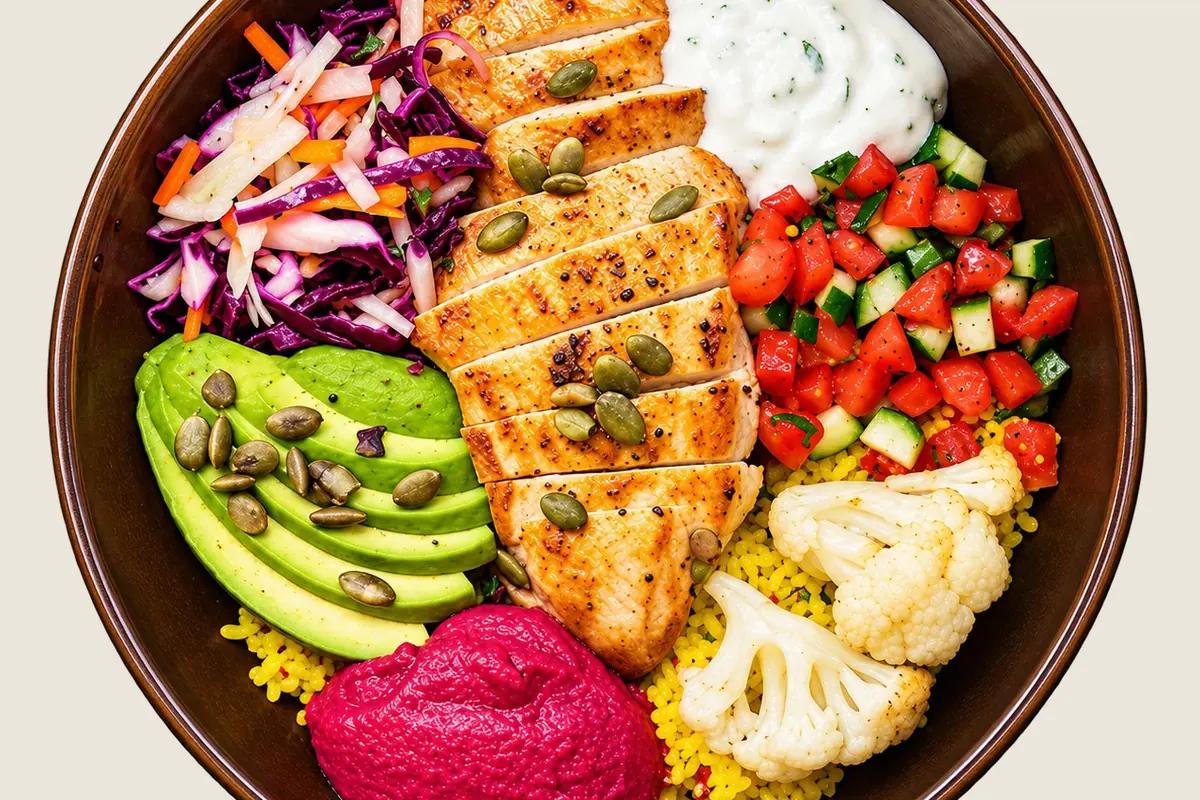 Shawarma power bowlHigh Protein. Matches the goal: more protein
 - Tue
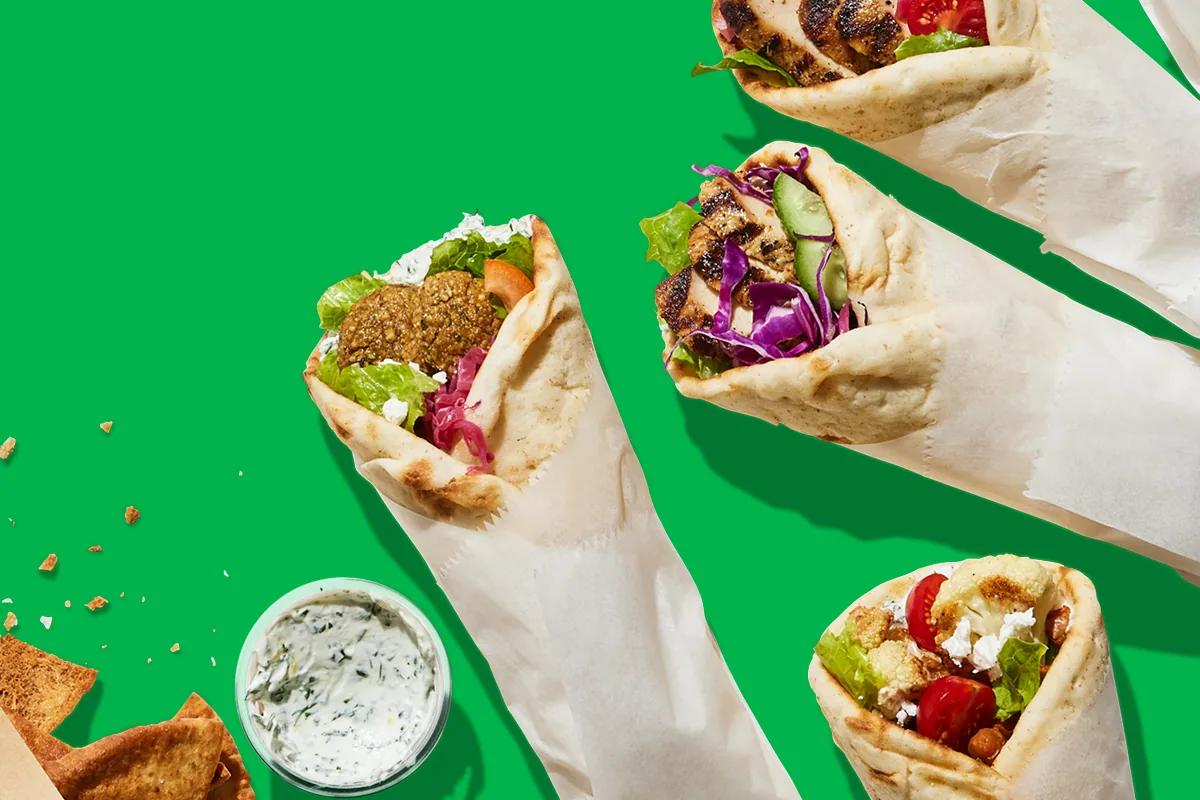 Paneer burjee with riceVegetarian. A change of protein after Monday
 - Wed
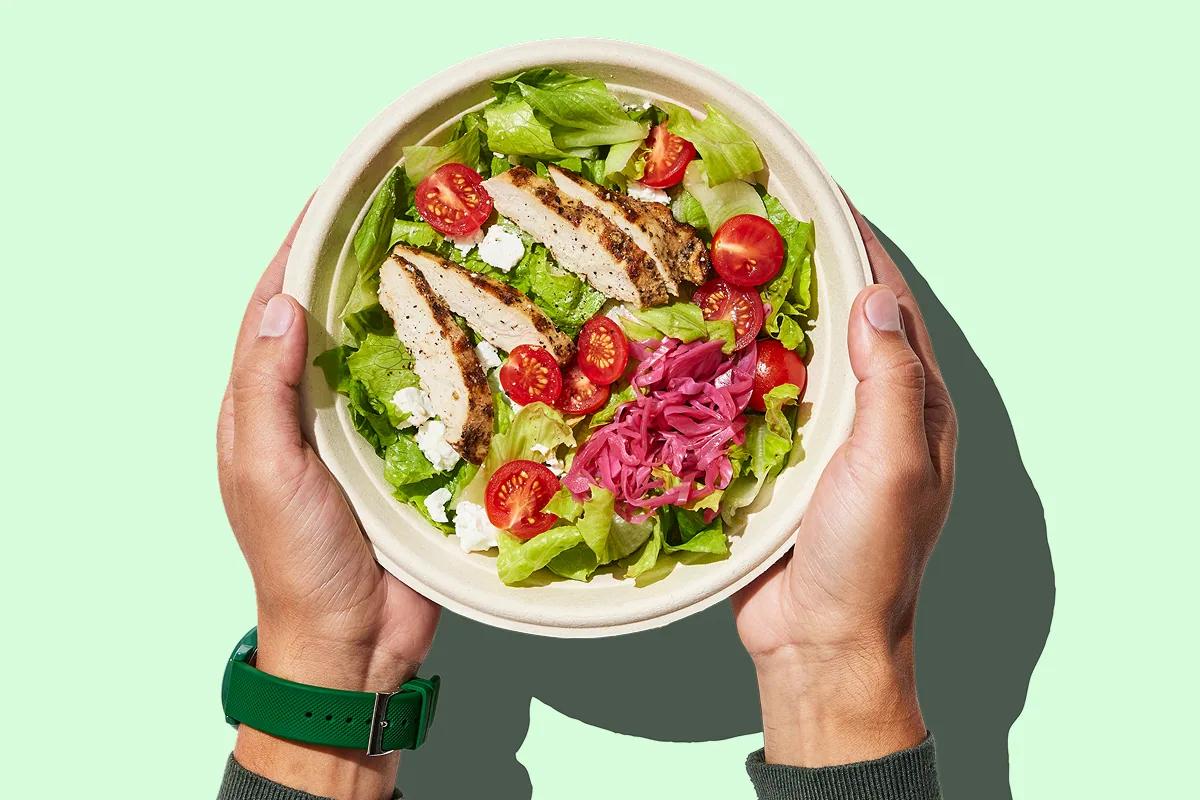 Cobb saladLow Carb. A similar dish was rated highly
 - Thu
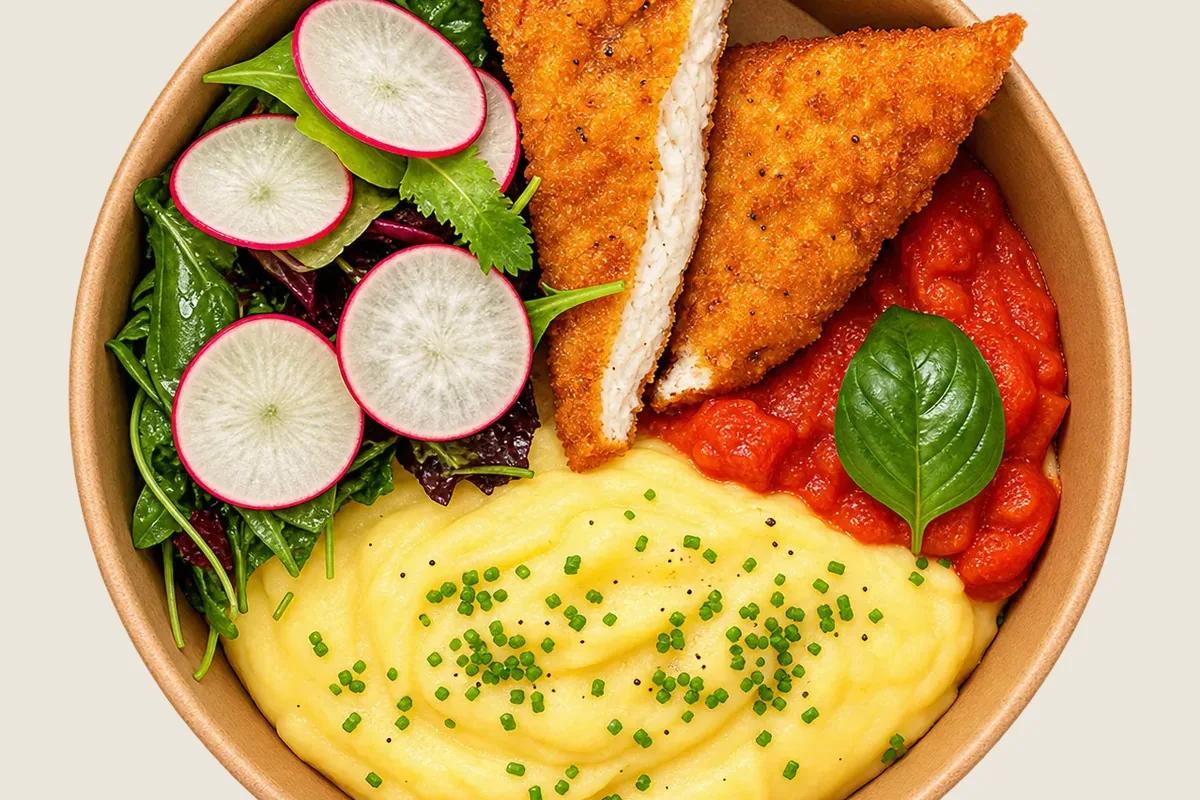 Tuscan chicken with riceBalanced. A new category for the week
 - Fri
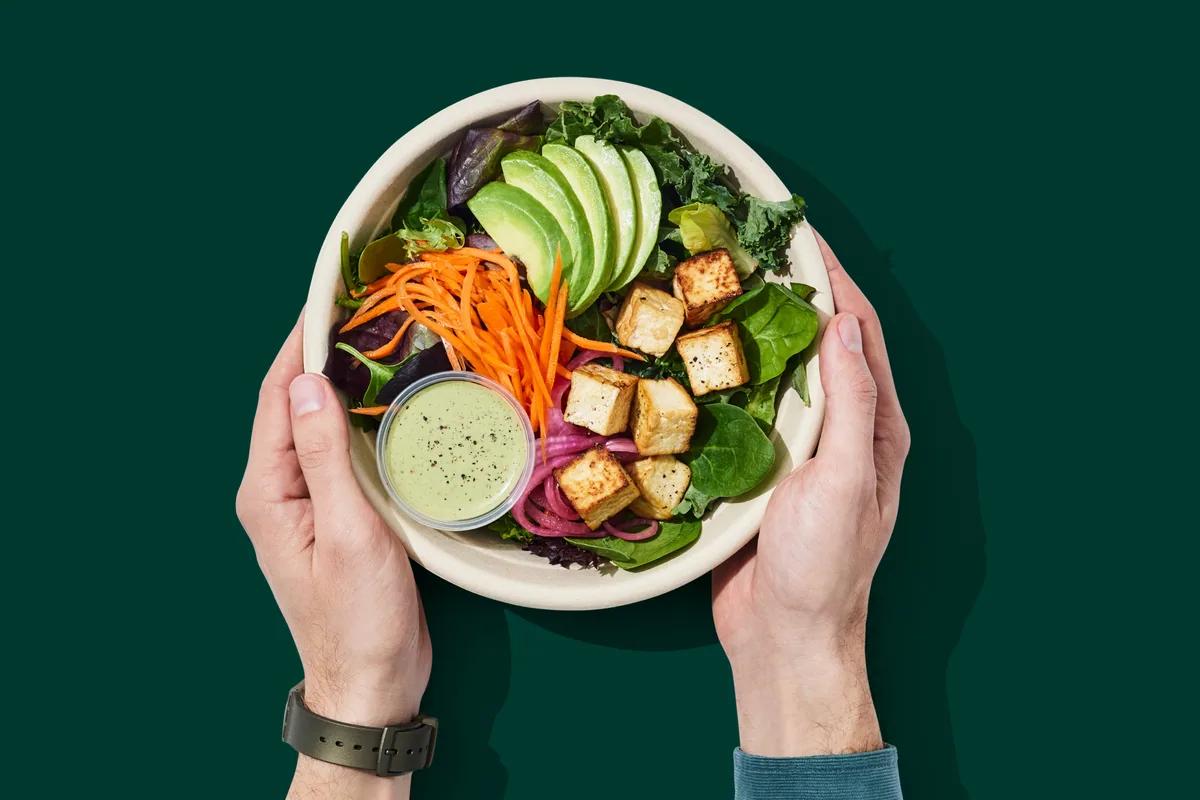 Roasted salmon with sauceChef's Picks. Something different to end the week
Dishes shown are examples. The live menu changes every day.
Nutrition
Nutrition is part of every match
Every meal carries a macro split, and every category has a clear nutritional profile. That gives the matching something concrete to weigh against each person's goals.
- High ProteinMacros: 46% protein, 35% carbs, 19% fat.
- BalancedMacros: 30% protein, 47% carbs, 23% fat.
- VegetarianMacros: 36% protein, 52% carbs, 11% fat.
- Chef's PicksMacros: 16% protein, 78% carbs, 6% fat.
- Custom MacrosMacros: 39% protein, 42% carbs, 18% fat.
- Low CarbMacros: 40% protein, 28% carbs, 33% fat.
- Protein
- Carbs
- Fat
- Split in %, protein / carbs / fat
Sample data
- Natural ingredients
- Allergen-friendly
- Vegetarian options
For partner kitchens
The same AI helps kitchens cook the right amount
Matching does not stop at the employee. The data behind it also helps the local kitchens that cook every meal.
Demand forecasting
Forecasts of what teams will order help partner kitchens optimise cooking volumes. atWork reports food waste reduced by up to 60%.
Dish suggestions
The AI suggests dishes to partner kitchens based on what teams rate highest, so the menu keeps moving towards what people enjoy.
Source: atWork platform data, 2025 to 2026.
Privacy and consent
Personal, without giving up control
Matching works best with a good profile, but the employee stays in control of it. Health data is used only with their consent.
What HR sees: usage, popular meals, satisfaction and budget reports. Under the Privacy Policy, the data atWork receives from employers is employee name, employee ID, work email, budget allocation, department and office location. Dietary preferences, allergies and restrictions are processed with the employee's consent.
Health data only with consent
Health goals and related details shape the matching only when the employee has agreed to it.
Data protection
atWork does not sell personal data, and cookie consent is managed with a consent platform.
EEA hosting on Google Cloud
Stored and processed primarily in the EEA, on Google Cloud EU regions. Transfers outside the EEA are made under Standard Contractual Clauses.
Role-based access and audit log
Admins see only what their role allows, and every admin action is recorded.
FAQ
AI matching questions
Want to see it with real profiles?Book a demo
See AI matching on your own team
Book a demo and we will show you how the app ranks meals for different profiles, and what HR sees in the dashboard.